




- Tax & Government Compliances
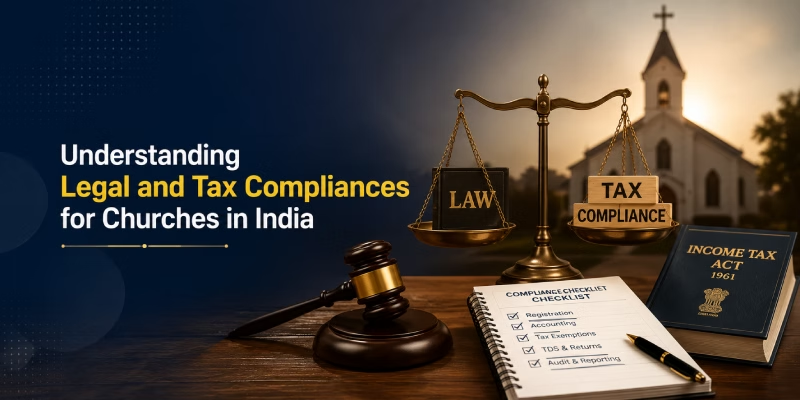
Understanding Legal and Tax Compliances for Churches in India
Keeping your church legally compliant is just as important as caring for your congregation. Proper registration, transparent financial records, and timely statutory filings help build trust with members, donors, financial institutions, and government authorities.
- shares
Why Compliance Matters
As churches increasingly adopt digital banking, online giving, and structured administration, maintaining legal and tax compliance has become essential. Good governance protects your ministry, improves financial accountability, and supports long-term growth.
Essential Legal Registrations
Every church should review its legal structure and obtain the registrations applicable to its activities. Common requirements may include registration as a Trust or Society, obtaining a PAN, and securing registration under Section 12AB to claim eligible income tax exemptions. Churches wishing to provide tax benefits to donors should also evaluate Section 80G registration.
Managing Donations Responsibly
Whether donations are received in cash, by bank transfer, UPI, or online payment gateways, every contribution should be properly recorded with supporting documentation. Clear records improve transparency, simplify reporting, and strengthen donor confidence.
Tax Returns & Financial Records
Churches claiming applicable tax exemptions generally need to maintain proper books of accounts and file the required annual income tax returns. Depending on the organization’s circumstances, audit and reporting obligations may also apply. Timely compliance helps avoid unnecessary penalties and protects exemption status.
Foreign Contributions (FCRA)
If your church receives donations from overseas, ensure compliance with the Foreign Contribution (Regulation) Act (FCRA) before accepting foreign funds. Receiving foreign contributions without the required approval can have serious legal consequences.
Best Practices for Church Administration
- Maintain accurate member and donation records.
- Issue organized receipts for every contribution.
- Store financial documents securely.
- File statutory returns on time.
- Review compliance requirements regularly with qualified professionals.
- Use reliable church management software to simplify administration.
Final Thoughts
Legal compliance is more than meeting statutory requirements – it’s a commitment to transparency, stewardship, and responsible ministry. By following sound administrative practices and maintaining accurate records, churches can focus confidently on serving their communities while remaining prepared for future growth.
Disclaimer: This article provides general information only and should not be considered legal, tax, or financial advice. Always consult a qualified Chartered Accountant or legal professional for guidance specific to your church or ministry.
Book a Personalized Demo
Discover how Dnote.ai helps churches and ministries simplify administration, manage donations, stay compliant, and serve their communities more effectively.
Ministry Insights, Delivered Monthly
Practical guides, compliance updates, and church management tips, straight to your inbox.
More Related Articles

Understanding Legal and Tax Compliances for Churches in India
Understanding Legal and Tax Compliances for Churches in India Keeping your church legally compliant is just as important as caring for your congregation. Proper registration, transparent financial records,